What To Do To Get Referrals: Direction
Remember your first PowerCore meeting? Remember when you first joined? It was a lot.
That’s why we have a mentoring program, with three mentors who walk new Members through important processes step by step.
How does onboarding, or mentoring new clients, happen in your business?
What difference has this made to your ability to give clients what they want?

Response from Kelly Vandever
from the North Point Team
For both home buyers and home sellers I start with finding out what’s going on with them and their interest in buying a home or selling a home.
I have a list of questions to help guide the conversation so I don’t miss anything that I know to be important as people move through the home buying or selling process. I ask follow-up questions based on what they share is important to them.
After that, I do an overview of the home buying and/or selling process using a flow chart. As we discuss the different phases on the flow chart, I go into more detail based on their particular situation and what they shared so they know what they might expect for themselves.
Then I typically go over some charts with recent sales data so they have an idea what to expect in the current market.
As we get into looking at houses or into preparing a house for sale, new situations and questions come up. I provide clients with options and data to help them make an informed decision that’s right for them.
Since I really enjoy educating people, I probably go on longer than I should. But buying and selling a home is a big deal, and it’s important for clients to understand the process and know what to expect as we go through the process together.

Response from Wendy Kinney
from the PowerCore Team
Orientation Essentials is the PowerCore portion of new Member onboarding.
Three panelists share their wisdome, viewed through the lens of their experience.
The goal is to answer questions - I'm looking for ways to stimulate more questions from new Members.
There are always boomerang Members there, too. I should ask them to share what they know this time around that they had questions about when they joined the first time.
Thanks!

Response from Mr. Jerome Mills
from the Peachtree City Team
Mentoring new clients in the Property and Casualty insurance business is a built-in process that happens for every new client.
A welcome letter along with other important documents are automatically sent to all clients for review and acknowledgement of receipt.
This process has a two-fold benefit, it lets the client review all their documents and ensure they are provided the exact coverage they requested.
Secondly, our agency is required to maintain these documents for a specific rention period as mandated by state insurance commissioner office.
The new clients process has made a significant difference to clients because it provides them peace of mind knowing they are protected in case of loss.
Additionally, retention of the clients business is increased as a result of the mentoring program for our agency.

Response from Holly Neumann
from the Candler Park Team
Building a website can be overwhelming.
Most clients have never done it before, and suddenly I'm asking them to think about audiences, services, photography, copy, functionality, and things they didn't even know they'd need to decide.
My onboarding starts with discovery, where I learn their business and we figure out what the website actually needs to accomplish. T
hen I bring in the right people—like a copywriter or photographer—and guide the client through those pieces before development begins.
Once we're in development, I meet with the client every week. We review what's been completed, make decisions, and establish what needs to happen next.
That step-by-step process has made a huge difference. Instead of expecting clients to understand how a website gets built, I only ask them to focus on what we need from them at that point in the process.
They don't have to know how to build a website. That's my job.

Response from Ryan Williams
from the Senoia Team
My onboarding approach varies a bit depending on the client and their needs. For a home services business serving a specific area, I’ll start by researching what service areas the client doesn’t currently show up in. Then I’ll have them provide me case studies for jobs they’ve completed in those areas. I can then expand the business reach beyond their physical office.
For a new consulting business, there is no existing track record. So I will discuss with the client what sets them apart from competitors. That will lead me to discovering unique keywords that we can target that will get results the fastest.
For a mid-market commercial contractor with decades of track record, they usually have existing content to work with. So I need to understand what kind of leads they’ve been getting from their website and AI, and which jobs would be most valuable to them. That will direct my attention to which areas I can optimize with the existing content so the client will experience quick gains in quality leads.

Response from Tom Wallace
from the Peachtree City Team
To assist my new clients with creating a budget (which could be the first time they have done this), I give them access to a budget form on line along with a series of short tutorial videos to help them through the process of filling it out. No need for perfection, just a starting point.
The allows us to have a conversation during our first session about where their money is going and where they want to get to. This gives me information on what to offer for resources and next steps. After each session, they will have access to over 80 learning modules with video's and exercises to help them. We can then review what they learned, give them opportunity to ask futher questions and see what the next thing that needs to be worked on.
Overall this gives a roadmap we can follow to get them to where they want to to with their money.

Response from Kristen Kyle
from the Senoia Team
That first meeting was intense! I really was not prepared, so I make sure that anyone I invite, they know what to expect!
Onboarding at Allstate is a pretty seamless process, thanks to a system update. Once a client "binds" their policy, the onboarding begins. I expain to them what the next steps are, whether its documents I will need to collect, or maybe I need to send a termination letter to the prior agency. I tell them to download the Allstate app, for their convenience, they can make changes, as well as get their ID cards and any documents they need at a click of a button. They also make a MyAccount at Allstate.com they can utilize for self service as well, but I let them know, we are always here to help!

Response from Christopher Lyboldt
from the Roswell 400 Team
When a family first reaches out to me, they’re usually overwhelmed. They’ve been handed a diagnosis, a hospital discharge date, or a crisis they never expected. So I don’t hand them a list and wish them luck. I guide them step by step.
It starts with understanding their loved one, their family dynamics, budget, and goals. Then I narrow the options, explain the tradeoffs, accompany them on tours when needed, and stay with them through the move and beyond.
That process makes all the difference because families don’t just want information—they want confidence that they’re making the right decision. My role is to help them move from uncertainty to clarity, one step at a time.”
Response from Queen Val Valmond
from the South Gwinnett Team
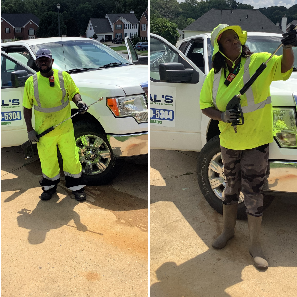
"At Val's Pressure Wash, we don't just clean and leave. We guide our customers through the entire process. We explain what we're cleaning, how we'll protect their property, and what they can expect afterward. We also share simple maintenance tips to help keep their home looking great. This builds trust, reduces surprises, and helps customers get the results they wanted. Happy customers are more likely to refer us to their family and friends."

Response from Cindy Boring
from the Senoia Team
When I bring on a new client, after the initial conversation, I start my on-boarding with a screenshare. I want them to see the face behind the business. I'm virtual, so most folks hire me off a single phone call. We spend that time chatting about their business, how they run things, what they're working toward, and where I can take some weight off their shoulders.
My business is built on relationship bookkeeping. The more I know about my clients and their business, the more I can actually help. I believe it makes a difference.
This process has strengthened the relationships with my clients, by building trust and giving them transparency in how I bring clarity to their business financials.

Response from Susan Medina
from the Senoia Team
In my business, onboarding begins with a conversation—not a product. I take time to understand what matters most to each client, including their family, retirement goals, current finances, concerns, and what may be keeping them awake at night. Then I guide them step by step through gathering information, reviewing their complete financial picture, and understanding their options in plain English. I continue to check in as their life and goals change.
This process helps clients feel heard rather than rushed or overwhelmed. It also allows me to provide what they truly want: clarity, confidence, and a financial plan built around their real life—not a one-size-fits-all recommendation.
Response from Garrett Meuninck
from the Senoia Team
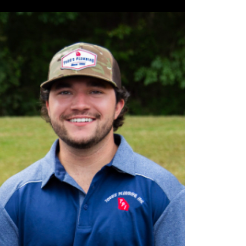
When we get a new client my goal is to be super transparent with them. When I arrive at a clients home I am quick to diagnose the problem. Once I do, I get the customer and show them the issue and tell them the causes of the problem. My goal is to educate the client because I believe it builds trust with them and also a relationship to where it will make them want to use me for future jobs.
I also tell my clients to not be afraid to reach out if they have any questions or issues in the future and I will be happy to help. I love to small talk as well and get to know my clients while I'm doing the work.

Response from Dr. Julie O’Shaughnessy
from the Senoia Team
That first PowerCore meeting was a lot — and a first chiropractic visit can feel the same way. That's exactly why we built a step-by-step onboarding process.
At Restorative Care Chiropractic, a new patient is never just dropped onto the adjusting table. We walk them through three stages, the same way PowerCore's mentors walk a new Member through. First, a thorough consultation and exam, so we understand the why behind their pain, not just where it hurts. Second, a Report of Findings — we sit down, show them what we found, and explain their options in plain language before we ever begin care. Third, a customized corrective care plan with clear milestones, so they always know where they are and what's next.
Because of that, patients arrive nervous and leave confident. They understand their condition, they trust the plan, and they actually follow through — which is what gets them the lasting results they came in wanting.

Response from Richard Trabue
At our firm, we stay in communication with our clients through the whole process and after they have been onboarded as a new client.
There are several touch points that I have set up in a cadence called "Consha Financial new client retention cadence"
Everything is systematic and process oriented with they way we do things so that prospects and new clients know what to expect and the level of customer service we provide upfront.
Having these processes in place and using them every time has created a "stickier" client for retention and it has increased our referrals from current clients as well.

Response from Alanna Blake-Lawlor
from the Woodstock Team
When a client first reaches out to me, their ultimate goal is to either purchase or sell Real Estate. I walk every client through the same presentation covering all the main points of who we are, when we started, our mission, our service and then I customize to answer their specific needs. I guide them step by step through the process of hiring me and how we will work together.
It starts with understanding their motivation, experience, budget, and goals. I connect them with my trusted referral partners for financing, action items.
My process makes all the difference because they want confidence that they’re making the right decision with a competent and experienced Realtor. My role is to guide them through the process to make it as stress free with as much clarity as possible.

Response from Luke Phillips
from the Senoia Team
Every borrower is different, so my onboarding process starts by understanding what matters most to them. Some clients are focused on keeping their monthly payment as low as possible, while others want to minimize their cash to close or pay off the loan faster. Before discussing loan options, I take the time to learn their goals so I can recommend financing that fits their specific situation.
Once we've had that conversation, I send them a link to our secure client portal where they can complete the loan application. I always let them know they have the option to complete it on their own or schedule a time to fill it out together if they'd like guidance. I want the process to feel simple and stress-free from the very beginning.
After the application is submitted, I provide them with a clear roadmap of the mortgage process. I explain each step, what documents we'll need, what to expect throughout underwriting, and how we'll move from application to closing. My goal is for every client to know exactly where they are in the process and what comes next.
What difference has this made to your ability to give clients what they want?
Taking the time to understand each client's priorities upfront allows me to recommend loan options that truly fit their goals instead of offering a one-size-fits-all solution. By giving them a clear roadmap and setting expectations early, clients feel more confident, less overwhelmed, and know exactly what to expect throughout the transaction.
This approach also creates better communication. Clients know what documents are needed, when they're needed, and why they're important, which helps keep the loan moving efficiently. Most importantly, clients feel like they have a guide throughout the process, not just someone processing paperwork which leads to a smoother experience and better outcomes.

Response from Harlan Hammack
from the Senoia Team
As a business coach, I meet with my clients several times to lay the foundations and make sure they are comfortable with the coaching process.
First step is a snapshot of where they are in their business, where they want to be, and how fast they want to get there. Knowing where the business stands is important, as the client may have an inflated sense of the business status or may be totally underestimating themselves. Either way, it gives us information to build our plan.
Next is the planning phase. We lay out a long-term goal, intermediate goals, quarterly and monthly goals, and then weekly tasks. The weekly tasks are tracked during our weekly Action and Accountability sessions. The client decides what tasks they are going to accomplish during the week, then I hold them accountable. We have a scorecard with metrics we track so the client has a clear understanding of their progress.
Finally, I make myself available to my clients via email, text, or phone. If they find themselves in need of immediate advice or counsel, or if the client wants me to weigh in on an email, article, or social media post, I am there for them. It's all part of my coaching program.
In this way, my clients always achieve their goals and often more than they thought were possible. After all, it's not my plan we're following; it's the plan they laid out and committed to. I'm just here to help them on their journey and keep them accountable to themselves.

Response from Nick Reeves
from the Sugarloaf Team
I am a firm believer in educating my clients, and the reason for doing so is two-fold. I get to make sure I set the right expectations for my service, and I get to learn more about what really worries my clients. The more I can see their reactions and hear them talk about what they've been dealing with, it can help me tailor my service to meet their needs. Some clients need a more thorough explanation of the aspects of safety, while others just want to know I'm going to get rid of the problem and don't want to know anything beyond that. Learning the idiosyncrasies of each one of my clients is one of the reasons I love doing what I do, and making sure their expectations are met and solving problems is the primary driving force behind why I enjoy working in the pest control industry.

Response from Leah Wojewoda
from the North Point Team
When I get a new client, the first thing I do is have a detailed conversation—not just about what they think they need, but why they think they need it. As I shared in my seven-minute presentation last week, asking the right questions and really listening often uncovers needs they hadn't considered.
That onboarding process allows me to understand their business, their goals, and where they want to be in the future. The result is that I can help them find space that truly supports their business instead of simply checking the boxes on a wish list.
The better I understand my clients from the beginning, the better decisions they make, the fewer surprises they encounter, and the better the outcome for everyone.

Response from John Marosy
from the Senoia Team
In my line of work, generating referrals is something that I'm still learning about. Honestly speaking I've always been the guy in the field doing the work when new jobs arise. And being that I work for my brother's company, which is Integrity Construction Services, referrals generally don't go through me. My interaction with our clients has always been limited to being on site and answering any questions and addressing their concerns regarding their project. And to provide them with the best customer experience possible. And of course perform my job as a professional and conduct myself as such. So this networking group thing and generating referrals is all still somewhat new to me. So what do I do to get referrals? I can honestly say that I'm still working on it.

Response from Mark Salmon EA
from the North Point Team
To me mentoring start with asking questions. Telling someone what they already know might not be an efficient use of ones time.
I first need to know what the client needs to know before mentoring them. I also have to recognize that the client may not be knowledgeable about the jargons and acronyms common in the industry so I need to avoid using those. And i must pay attention to clues about if the client is understanding what I am saying so I can adjust.

Response from Debbie McFarland
from the Senoia Team
Oh man! I remember feeling so lost when I first went to PowerCore. I think that alot of times, people feel insecure and a little lost in front of the camera too so when someone chooses to work with me, I never want them to feel like they're just another appointment on my calendar. Whether it's a family portrait, a high school senior, branding photos for a business, or one of my tween empowerment experiences for girls ages 9 to 12, I guide them through every step of the process.
Before we ever meet, we talk about their goals, answer questions, and help them prepare so they feel confident and excited. During the experience, I guide them every step of the way so they never have to wonder what to do. Afterward, I continue helping them, whether that's designing heirloom artwork for their home or giving parents tools to continue building their daughter's confidence long after the experience is over.
I believe people don't just need a service. They need someone to guide them. When you remove uncertainty, listen well, and genuinely care about the people you're serving, they feel seen and valued.
I think that's one of the biggest reasons so many of my clients return year after year and refer their friends and family. When people feel cared for instead of sold to, they naturally become your biggest advocates.

Response from Justin Spatafore
from the Senoia Team
I provide every buyer and seller with a clear, step-by-step outline of the process, including what they can expect from me and what I will need from them. Establishing these expectations upfront helps clients feel informed, prepared, and confident about what lies ahead. Clients appreciate having a plan rather than encountering surprises, which leads to smoother transactions, happier clients, and more referrals.

Response from Jen Stupski
from the Senoia Team
My first meeting was definitely an overwhelming experience and I left feeling overwhelmed with the amount of information I heard. Roofing can unfortuantely feel the same way to most homeowners.
At Roof King + Exteriors our onboarding starts with listening. We take time to understand each homeowner's concerns, goals and budgets before recommending a solution. From there, we educate them on their options, communicate clearly throughout the process, and stay available for questions from start to finish.
That approach has made a huge difference because our clients feel informed instead of pressured, which builds trust and allows us to deliver exactly what they're looking for - not just what we want to sell.

Response from Audrey Williams
from the Emory Team
Honestly, even as a new PowerCore member, I have not felt too overwhelmed by everything I am learning. The more I understand, the more excited I become, and that makes it easier for me to take in new information. I try to create that same experience for my clients.
My onboarding begins with a free consultation, but it feels more like a natural conversation. I start by asking about the client and their business before we discuss marketing. As they talk, I pay attention to how they think, how they communicate, what matters to them, and how comfortable they are with different ideas. We then transition into their marketing goals, the challenges they are facing, and the solutions that might work for them.
After the consultation, we decide which services they need and agree on pricing. From there, I create a strategy that reflects their goals and comfort level. If the plan involves filming content, I also coordinate with them so they know what we are creating and why.
This process helps me understand the difference between what a client initially feels comfortable doing and what may actually help them grow. My first client, for example, did not want to appear on camera. Once I explained how video can encourage engagement and help an audience connect with the person behind a business, she understood why I was recommending it and became willing to try it.
That trust makes a real difference. My clients know I am not asking them to do something without a reason, and I gain the insight I need to create a strategy with them instead of simply handing them one.